Patras (Ancient Greek: Patrai) is the largest city in the Peloponnese and the third largest in Greece, after Athens and Thessaloniki, with a population of 211,593 inhabitants, while the population of the Regional Unit of Achaia is 296,574 inhabitants according to the census of 2021 by EL.STAT. Patra is the capital of Achaia, the Region of Western Greece, as well as the seat of the municipality of the same name, while it is also designated as the seat of the Decentralized Administration of Peloponnese, Western Greece and the Ionian Islands. It is 230 kilometers from Athens, extending in a position from the western ends of Mount Panacha to the shores of the Gulf of Patra. It is an important urban center and has one of the largest ports in Greece, at a key point, which is a key channel of communication with Italy and the European West, important both from a transport and commercial point of view. Through it, mainland Greece is essentially connected to the Ionian Islands and to Italian ports on the Adriatic Sea.
Visit at Patras
Archaeological Museum of Patras
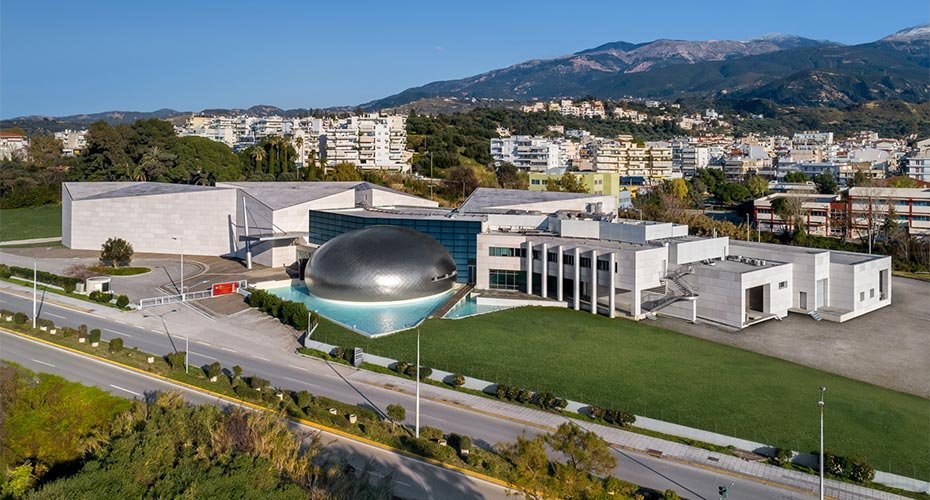
The Archaeological Museum of Patras is one of the most important archaeological museums in Greece. It is housed in a modern building at the northern entrance of the city on the Patras-Athens National Road 38-40. The European-level architectural building, designed by Theofanis Bobotis, with the harmonious collaboration of architecture and archaeology, tells a centuries-old history of Patras and the wider region.
Church of Agios Andreas
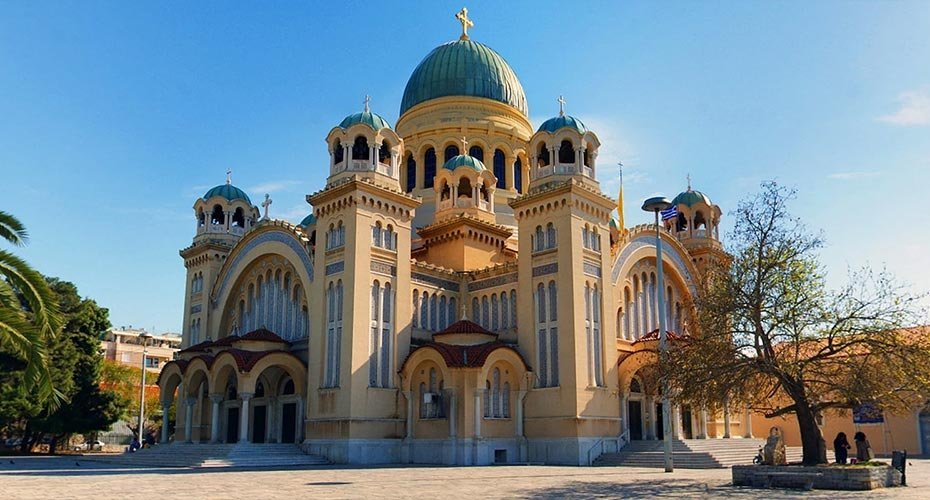
On the west side of the city center dominates the imposing Holy Church of Agios Andreas. The cathedral is the largest church in Greece and one of the largest in the Balkans with a capacity of 5500 people. It was founded in 1908 by George I, and inaugurated in 1974 by the Metropolitan of Patras, Mr. Nikodimos.
Castle of Patras
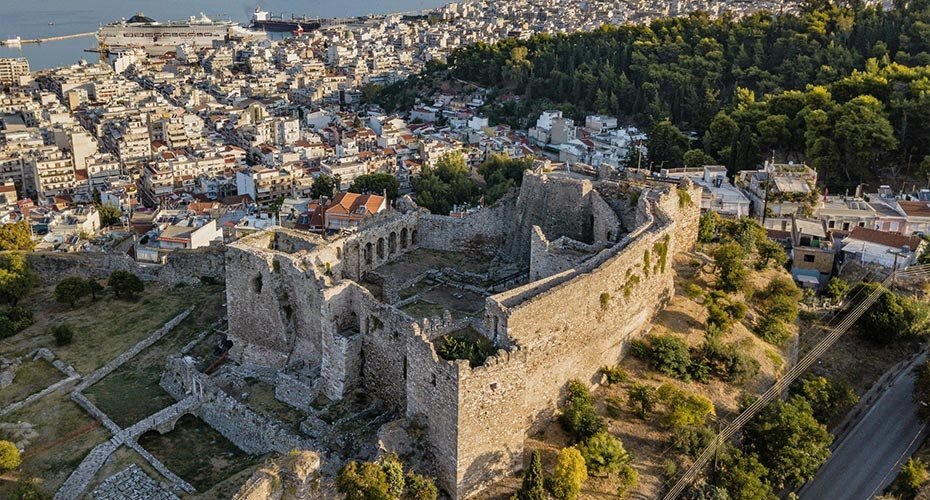
The Castle of Patras dominates the historic center of the city. It is located on a low hill of the Panachai mountain at a distance of 800 meters from the sea in Ano Poli. A visit to the castle will reward you with a fascinating historical narrative through the ages, a leisurely stroll through its gardens and a panoramic view.
Mycenaean Park of Patras-Vouteni
Perhaps the most beautiful park of Patras is the Mycenaean Park of Patras in Voudeni. Apart from its important historical importance, the visitor can take a pleasant walk in a green landscape of 3.5 kilometers and enjoy from the hill in the settlement the panoramic view towards the Gulf of Patras, the Bridge and the mountains, Varasova, Klokova ) and oregano.
Roman conservatory
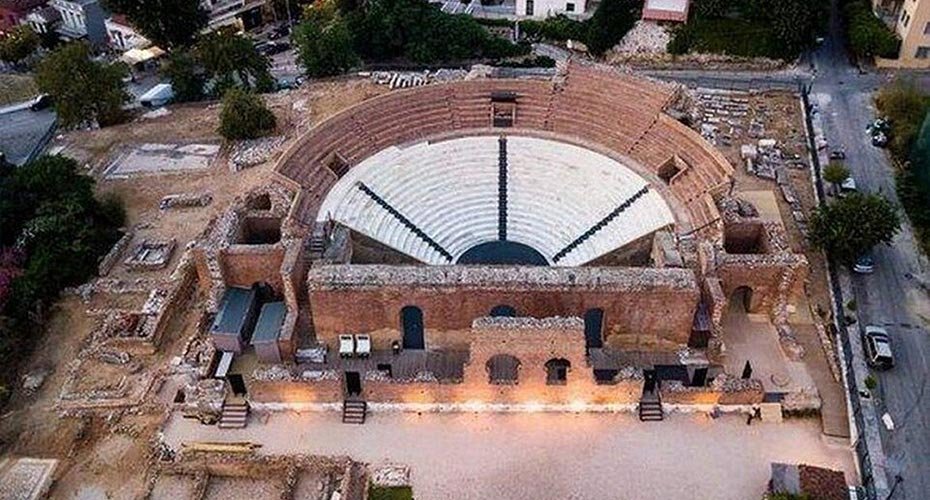
The Roman Conservatory of Patras is a magnificent building from Roman times that has today been reconstructed and is used for theatrical and musical events. It is located to the west of the Castle, in the Upper Town next to the Roman stadium and between the streets of Old Patras Germanos, Sotiriadou Pantokratoros and Agios Georgios Square.
Achaia Clauss
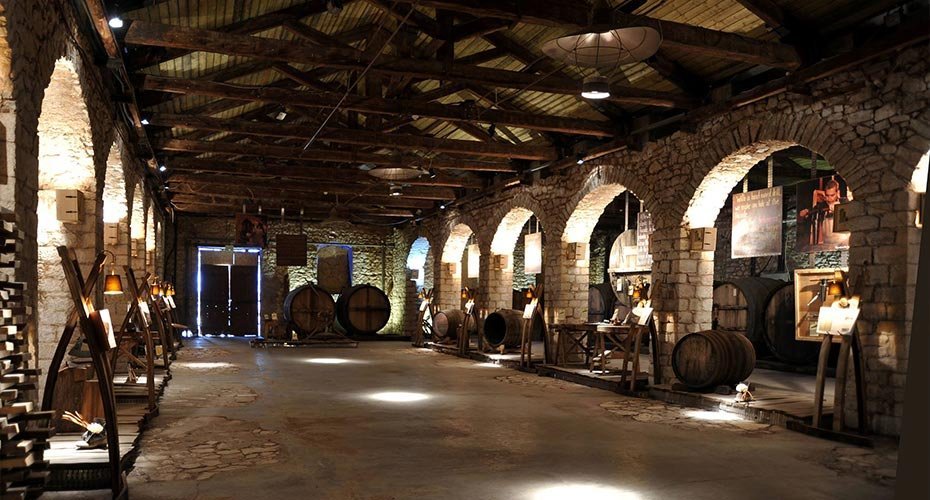
On a green hill, eight kilometers SE of the center of Patras, are the facilities of the ACHAIA CLAUSS winery, which stands out as one of the most important tourist attractions of the region. It was founded by the Bavarian Gustavo Klaus and became the first organized winery in Greece.
Patras Carnival
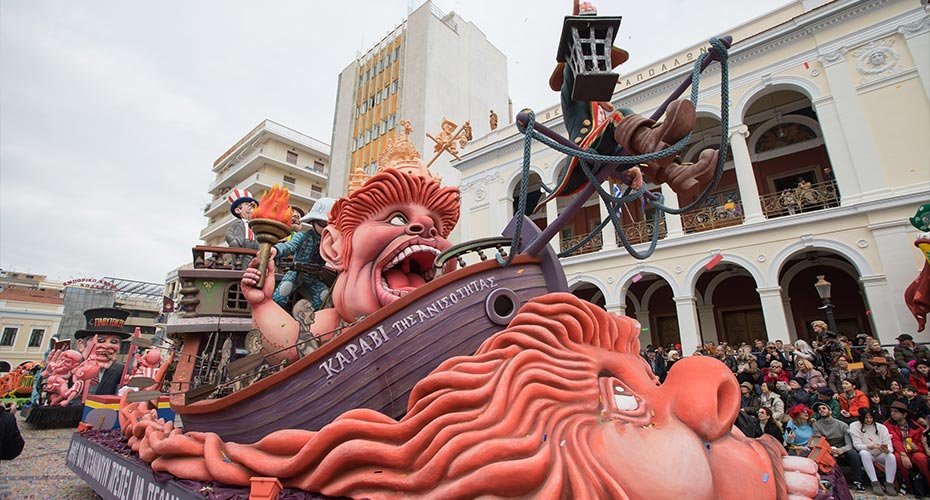
Patrino Carnival or Patras Carnival is both the largest and oldest carnival event in Greece and one of the largest in the world in terms of carnival participation and history. It has 195 years of history. The Patras Carnival is not a single event, but a set of events, including dances, parades, hidden treasure hunts, children’s carnival, etc.
Municipal Theater of Apollo
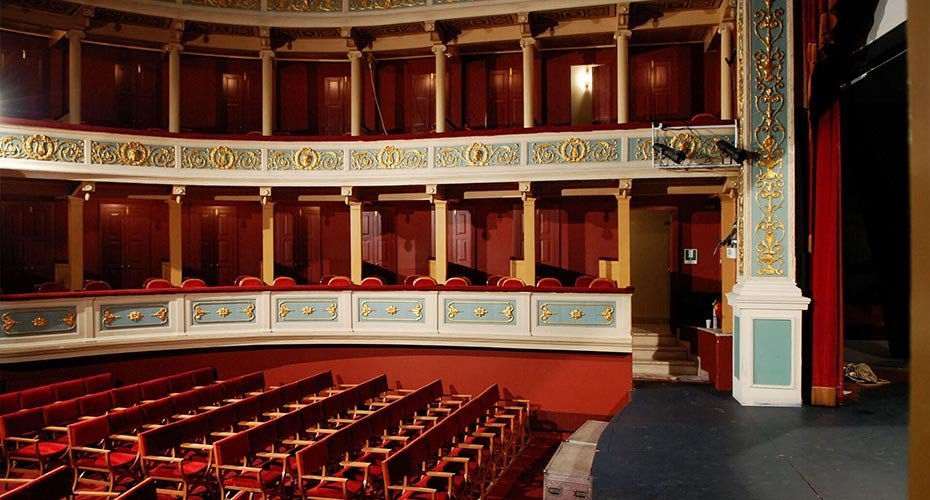
The “Apollo” Municipal Theater is the focal point of Georgiou Square and emblem of the city of Patras. Its historical importance is important as a valuable architectural ornament of another era and as the only theater in Greece that has been in continuous operation since the day it was founded.
Museum of Science and Technology
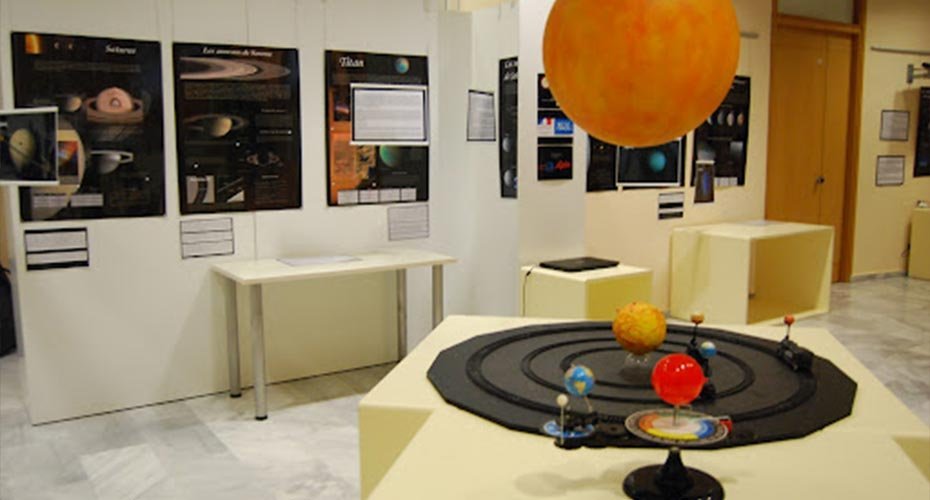
The Museum of Science and Technology (MET) of the University of Patras was founded in 2001 and operates as a Laboratory of the University’s Faculty of Science. It is housed in a new building located on the University grounds, below the Parko tis Irini restaurant and next to Foucault’s pendulum.
Stegi Grammatwn of Kostis Palamas
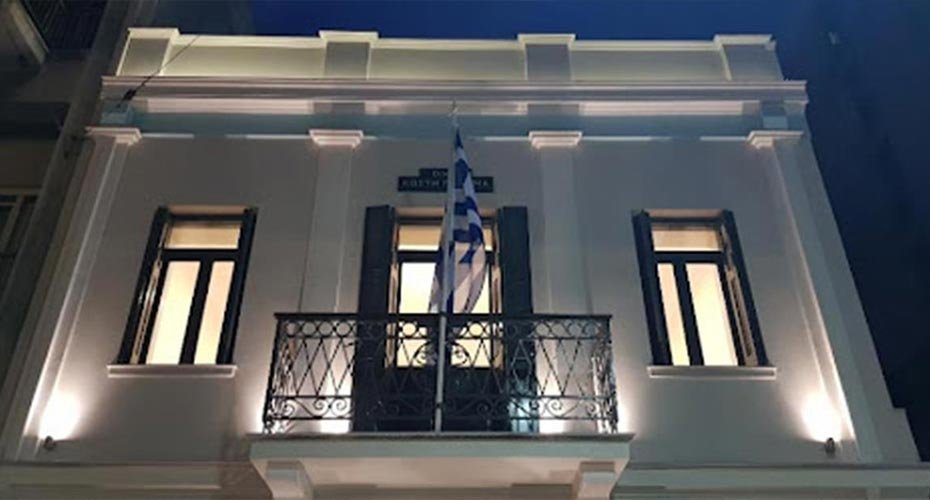
At 241 Corinthou Street is the home of our great poet Kostis Palamas. The program of operations and visits to the building, where the poet was born and houses the “Costis Palamas House of Letters” is the following.
The Lighthouse
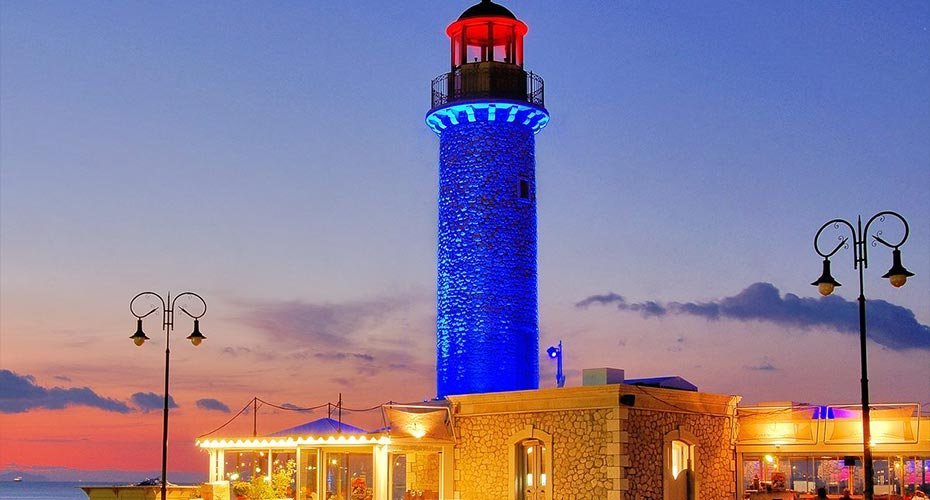
The modern lighthouse of Patras was built in 2000 by the Port Fund and is located in the area of Agios Andreas at the pier of Ichthyoskala. It has no nautical utility and functions as a cafe-restaurant at the edge of the South Park. It is an attraction for a pleasant walk in a park specially designed for families with small children. There is free and convenient parking and the area is used for concerts and events. The Lighthouse is not only decorative. It was built as a memory of another era of Patras.
The Castle of Rio
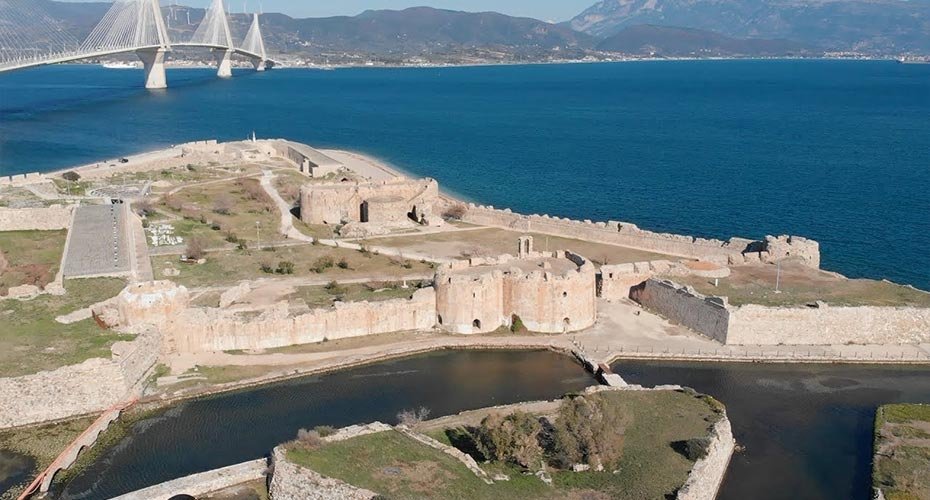
Rio Castle is next to the west ferry pier. It is an important archaeological site in a geographical location that has always had strategic importance and was used for military purposes until the second world war. Today it is used for concerts and its inner enclosure houses the chapel of Zoodochos Pigi.
Rio-Antirio Bridge
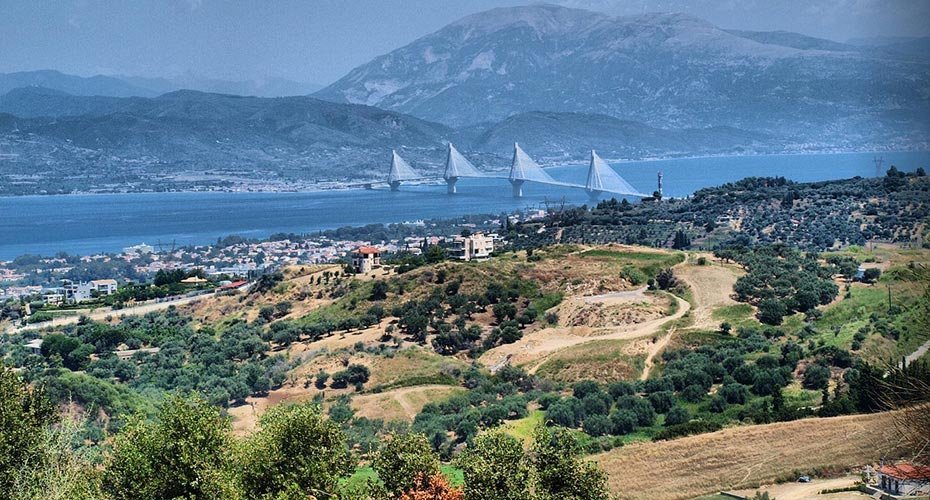
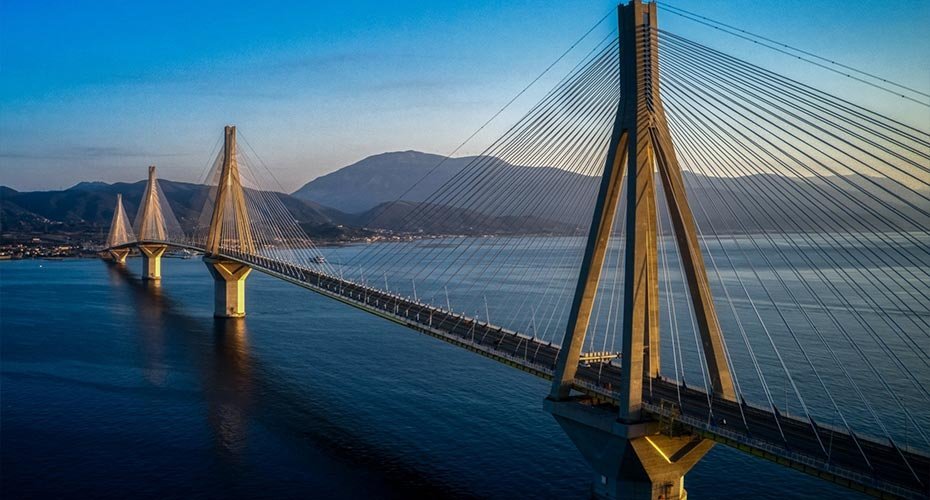
The Rio-Antirio Bridge is the longest cable-stayed bridge in the world. It connects the Peloponnese with the western mainland of Greece reducing the crossing time to 5 minutes in a passage that is often made difficult by weather conditions. The bridge includes a pedestrian and bicycle path, making it accessible to those who want to exercise or enjoy the scenery of the Corinthian Gulf. The bridge is a technological achievement that combined technological innovation with high aesthetic criteria. It is a jewel in our area.

 English
  Greek
Greek